The User Comes First: Principles of Ergonomic Plastic Bottle Design
A beautiful bottle captures attention, but a well-designed bottle earns loyalty. In the daily rituals of personal care—from a morning shower to an evening skincare routine—the user’s experience with your packaging is a constant, silent brand interaction. If a bottle is difficult to hold, hard to open, or messy to use, that frustration becomes associated with your product.
Ergonomic design solves this by putting human needs at the center. It’s the science of creating bottles that are not just containers, but intuitive, comfortable, and efficient tools. Here’s how thoughtful ergonomics transforms good packaging into great packaging.
1. The Foundation of Trust: A Secure and Comfortable Grip
This is the most fundamental interaction. A bottle must feel secure and comfortable in a wet, soapy hand.
- Contoured Silhouettes: Designed curves that fit naturally in the palm provide control and prevent slipping. This is especially crucial for larger bottles for shower gel, shampoo, or household cleaners.
- Textured Surfaces: Strategic textured panels, soft-touch coatings, or ribbed patterns enhance grip without compromising aesthetics. This can be incorporated into the mold design itself.
- Weight & Balance: The weight distribution between a full and empty bottle should feel stable. A top-heavy bottle is awkward and prone to tipping.
2. Intuitive Dispensing: Clean, Controlled, and Consistent
The moment of use should be effortless and precise.
- Matching Viscosity: The dispensing mechanism must be engineered for your product’s thickness. A thin, watery toner needs a different closure than a rich cream or a gel.
- One-Handed Operation: Flip-top caps, push-pull dispensers, and pump heads that lock for travel prioritize convenience for the user in the shower or at the sink.
- Controlled Dosage: Pumps and droppers that deliver a consistent, pre-measured amount every time reduce waste and help users follow usage guidelines (e.g., “two pumps”).
3. Accessibility & Ease of Use: Designing for All
Inclusive design broadens your market and demonstrates social responsibility.
- Opening Effort: Caps and closures should require a level of torque that is manageable for most adults, including those with limited hand strength or arthritis. Consider wider caps or ribbed sides for better leverage.
- Tactile and Visual Clarity: High-contrast colors between the bottle and cap, or raised tactile indicators, help users with visual impairments identify the product and its opening mechanism.
- Stability: A bottle with a stable, non-tipping base is safer and easier to use for everyone.
4. Communicating Through Form: Visual Ergonomics
Design can guide the user intuitively, even before they read the label.
- Front & Back: Clearly defined front (for branding) and back (for instructions) panels help with label orientation and product presentation on the shelf.
- Directional Cues: Shape can indicate use. A bottle with a pinched “waist” suggests where to hold it. An angled neck might point towards application.
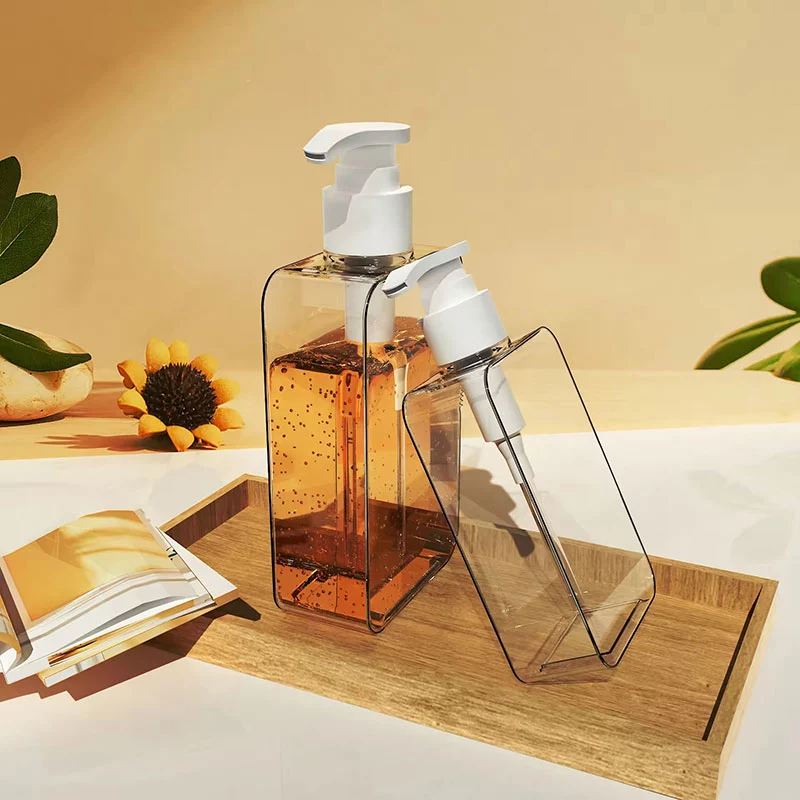
- Fill-Level Visibility: For transparent or translucent bottles, ensuring the user can easily see how much product remains is a simple but highly appreciated feature.
Why Partnering with an Expert Manufacturer Matters
Achieving true ergonomics isn’t just about a good sketch; it’s about precision engineering and a deep understanding of how design interacts with materials and molding.
- Prototyping is Key: At Bonson, we stress the importance of 3D-printed prototypes. Holding a model, testing the grip, and feeling the cap’s action is irreplaceable for refining ergonomics before costly tooling is made.
- Mold Engineering for Function: The subtleties of a textured grip, the smooth action of a hinge on a flip-top cap, and the perfect seal of a pump—all are determined by the precision of the mold. Our in-house mold-making expertise ensures these functional details are executed perfectly.
- Holistic Approach: We consider the entire system: the bottle, the closure, the dispensing mechanism, and the user’s interaction from shelf to storage to final use.
A bottle that feels right, works right, and makes the user’s life easier is a bottle that builds brand preference with every single use.
Ready to design packaging that your customers will love to use? Contact Bonson Packaging Factory to leverage our ergonomic design expertise and turn user-friendly principles into production reality.